
Work Package 2: Co-creation of Artistic Interventions
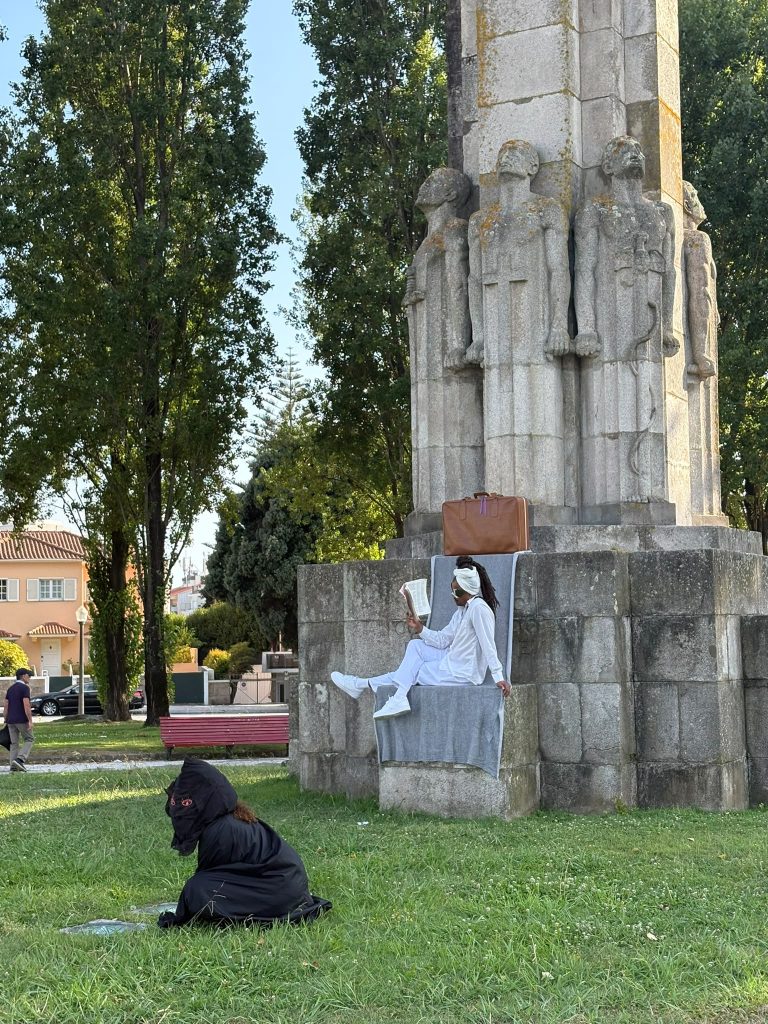
Shall we foster change in the squares, the streets, the monuments? That’s what happened in Porto, on July 12. A group of artists, activists, decision makers and researchers gathered in the Imperial Square, around the “Monumento ao Esforço Colonizador Português” (Monument to the Portuguese Colonial Effort), for a public act to contest and challenge the […]
“A Vocabulary for Peace: Ideas and Tools for Navigating the Complexity of the Present”
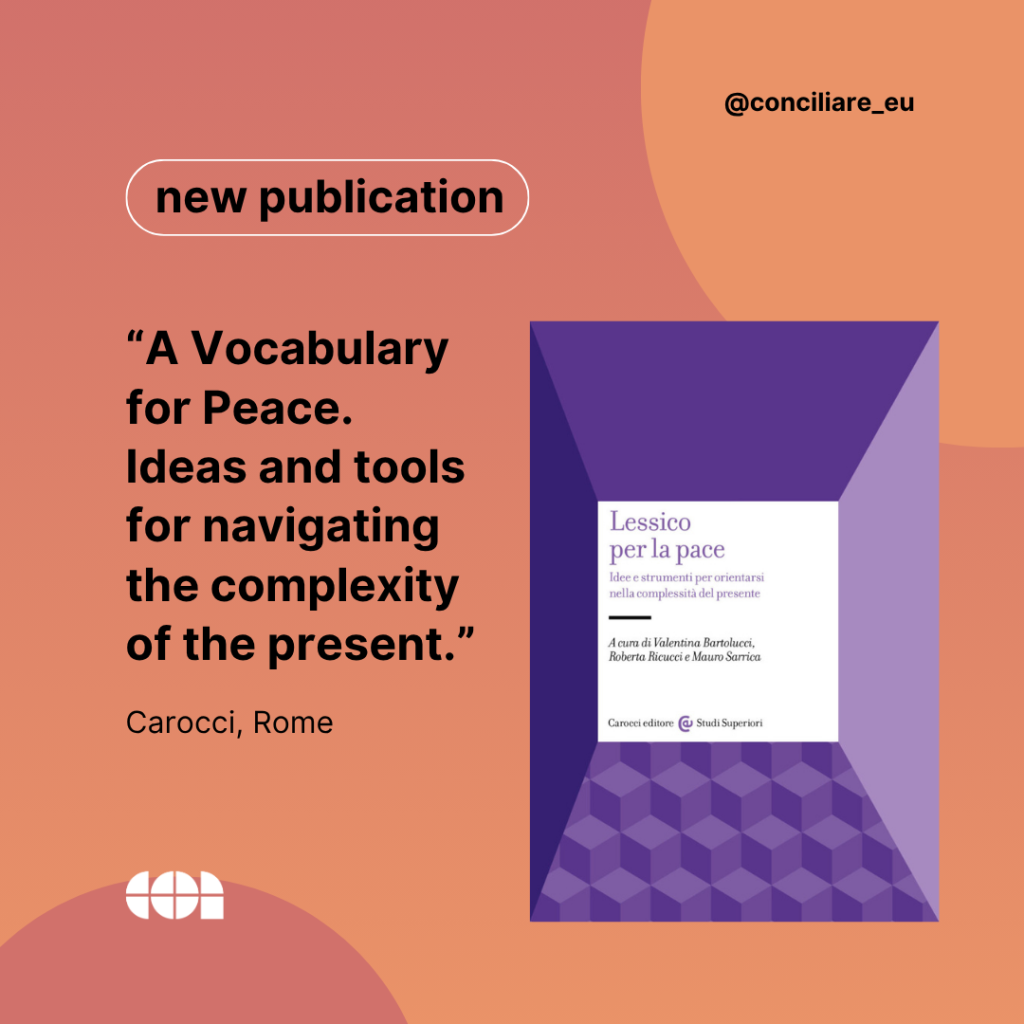
More knowledge shared through new publications! Our colleagues from the Sapienza University of Rome team, Giovanna Leone and Alessia Mastropietro, contributed to the book “A Vocabulary for Peace: Ideas and Tools for Navigating the Complexity of the Present.” They authored two chapters: “Memory and History” and “Reconciliation”, which references you can find on our Resources […]
EASP General Meeting 2026
The CONCILIARE team had a strong presence at the EASP General Meeting 2026 in Strasbourg! The Dutch team, led by Borja Martinović, Anouk Smeekes, and Enzo Cáceres alongside our partners from Croatia, Belgium, and Italy, presented a poster that showcased three studies addressing how European people engage with changes to racial imagery in cultural products […]
XIX IBERCOM – Ibero-American Communication Studies
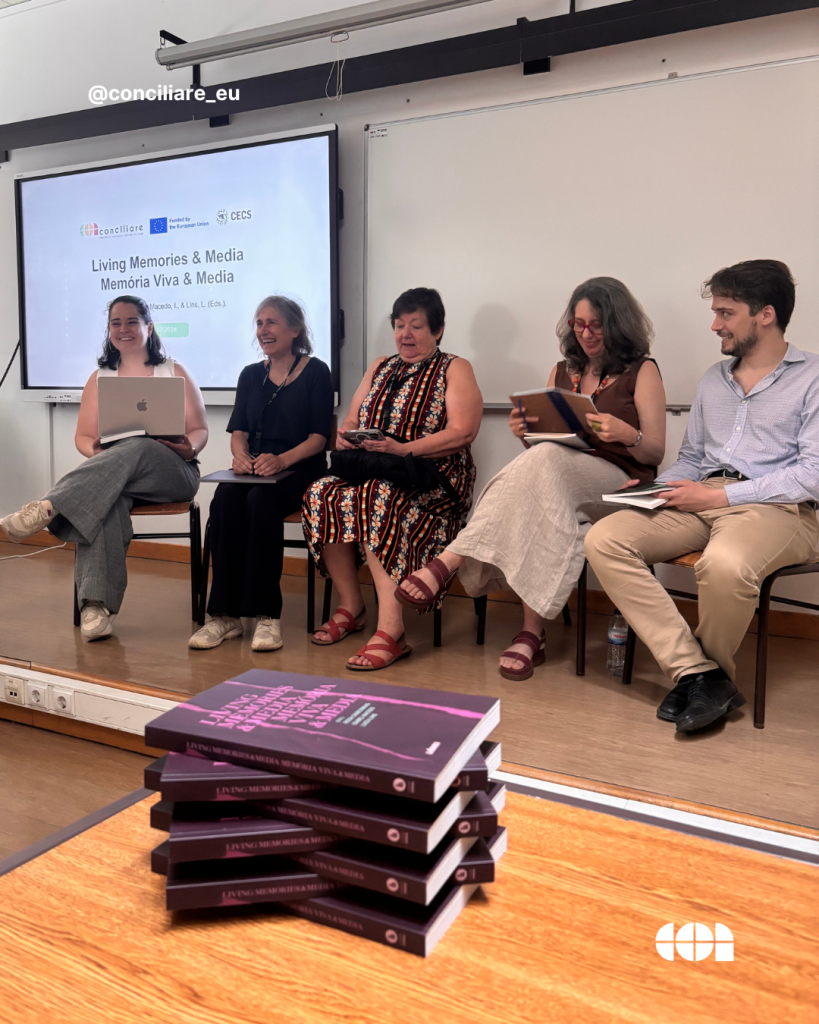
From July 6–8, the University of Minho hosted the XIX IBERCOM – Ibero-American Communication Studies: Tensions, Global Reconfigurations, and Counter-Hegemonic Activisms, in Braga, Portugal. As part of the congress program, the CONCILIARE team contributed to three moments. The official launch of Living Memories & Media, edited by Rosa Cabecinhas, Luiza Lins, and Isabel Macedo, provided […]
Discover more about CONCILIARE’s framework!

From school textbooks to museums, public spaces and cultural heritage, CONCILIARE explores how colonial narratives continue to shape identities and societies and look for ways to confidently transform that. In this video, Joaquim Pires Valentim highlights the first results from Work Package 2, revealing common patterns in textbooks from Portugal, Italy and Finland, including narratives […]
“Public Memory of Italian Colonialism: Media, Urban Space, and Symbolic Contestation”
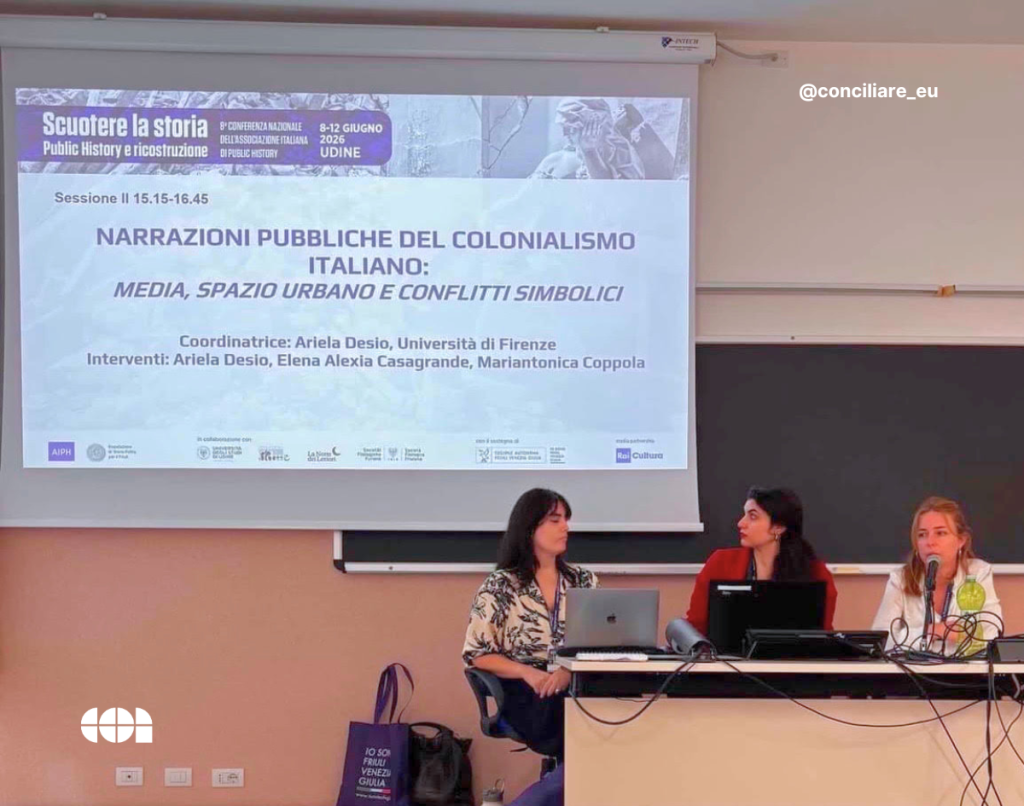
Our colleagues from the Sapienza team Ariela Desio, Elena Alexia Casagrande, Mariantonica Coppola took part in the annual conference of the Italian Association of Public History. Held in Udine, Italy, from June 8–12, this year’s conference explored the theme “Shaking Up History: Public History and Reconstruction.” They presented their work developed within the Work Package […]
“From Collective Guilt to Moral Implication in Collective Memory Studies”

How do people respond to inherited histories of violence they did not personally create? The newest publication on behalf of the CONCILIARE project, by our colleagues at Sapienza University of Rome, examines the evolving concept of collective guilt and shows that acknowledging moral implication can foster relevant social transformation. The paper, entitled “From Collective Guilt […]
5th Congress of the National and European Cultural Studies Network

What happens when public memory is questioned through art and activism? Last week, two presentations on behalf of CONCILIARE were part of the 5th Congress of the National and European Cultural Studies Network (RNEC/ECSN), which took place at the Polytechnic Institute of Leiria, Portugal. As part of the research on the decolonization of public space, […]
Communication and Diversity Seminar
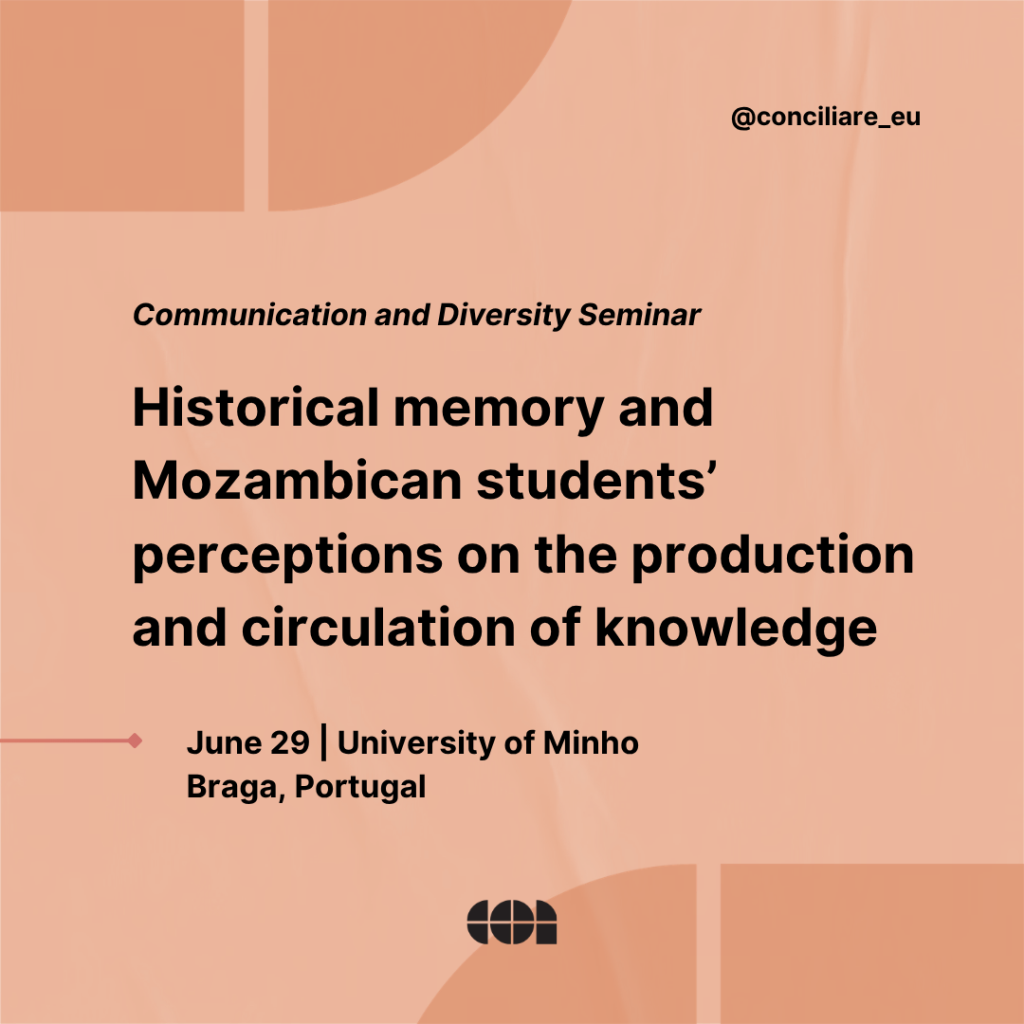
How is colonialism remembered today by Mozambican students? How can academia contribute to historical reparation? Aiming to answer these questions and many others, the University of Minho hosted another session of the Communication and Diversity Seminar, dedicated to the theme “Historical Memory and Mozambican Students’ Perceptions on the Production and Circulation of Knowledge”. The event […]
Reflecting on the repercussions of the colonial past through cultural heritage
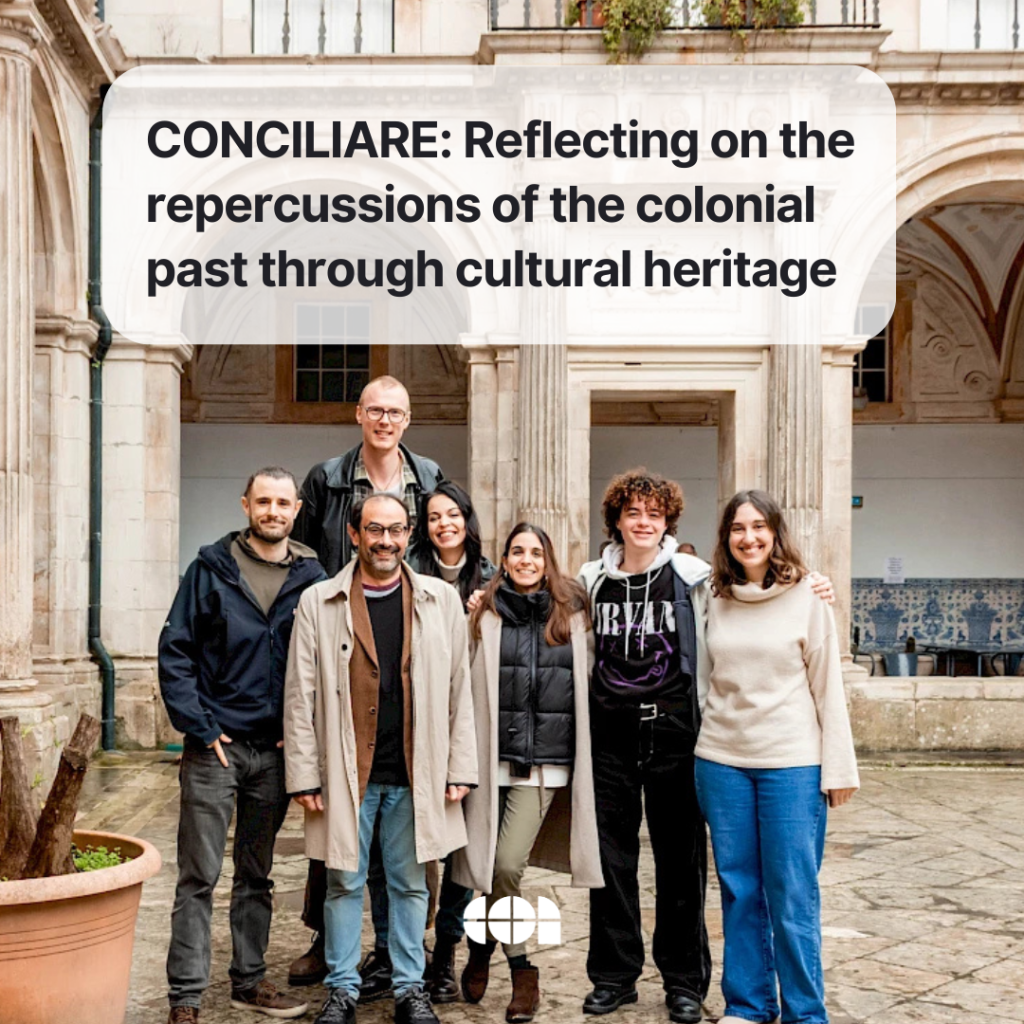
CONCILIARE’s message is spreading! Our team at the University of Coimbra participated in an interview about the project’s goals and guiding principles. Joaquim Pires Valentim shared some preliminary findings from the textbook research and highlighted the importance of working closely with society to create a greater impact. “This project is not about the past; it […]