
Colonialism, gender and memory in public space
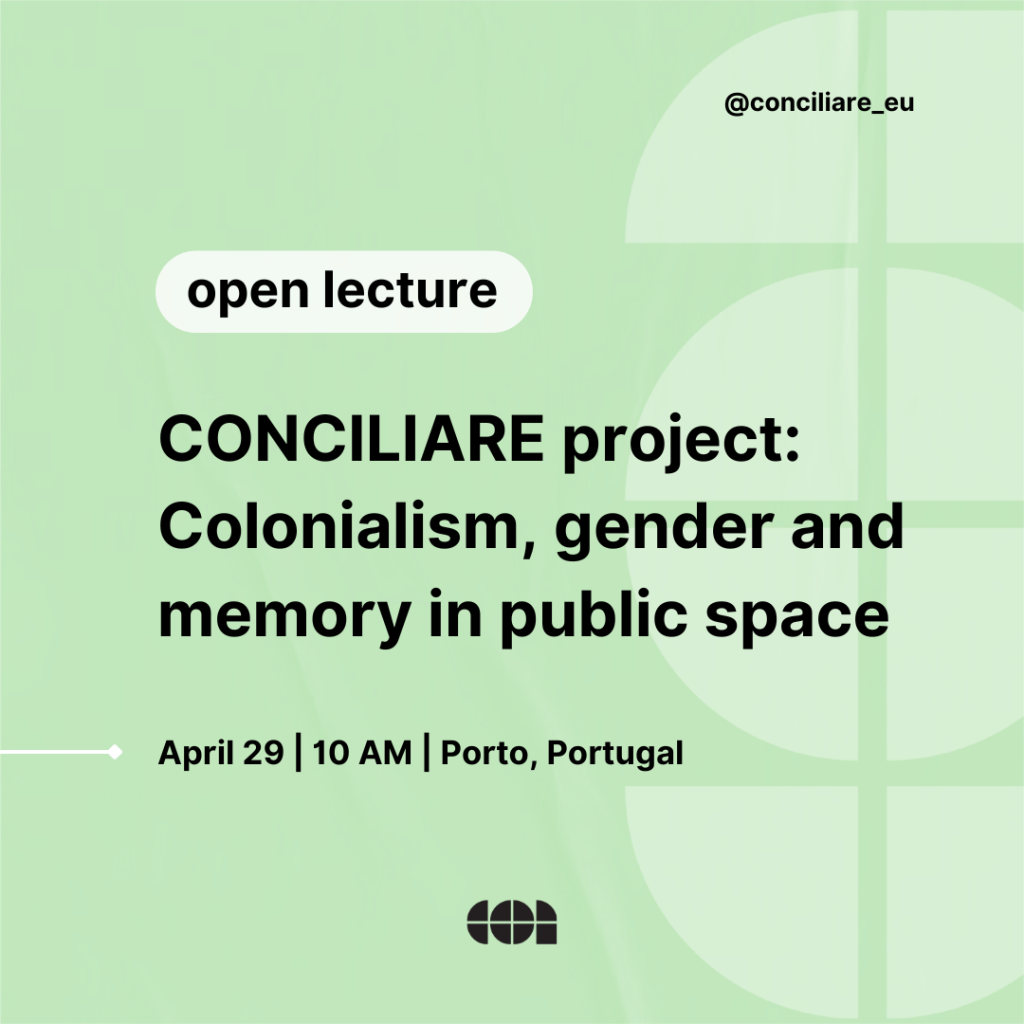
We’re happy to invite you to the cycle of open lectures organized by the Working Group on Visual Culture of the Portuguese Association of Communication Sciences (SOPCOM), in partnership with the Batalha Centre of Cinema, the Communication and Society Research Centre (CECS/UMinho), and the CONCILIARE project. On April 29, Rosa Cabecinhas, Pedro Menezes and Júlia […]
Living memory through powerful voices

Last Friday, we gathered at the House of European History for the public opening of the exhibition “Postcolonial?”. During the event, the group La Candidate Sans-Papiers performed a powerful intervention: the reenactment of several speeches by influential female voices in the immigrants’ rights movement. This moment was an exercise of living memory, and a way […]
Ayoko Mensah: “We are all, in fact, heirs of this history”

The exhibition “Postcolonial?” invites us to reflect, rethink, unlearn and relearn. Ayoko Mensah, one of the curators, highlights the necessity to deepen our understanding of the colonial past and its many nuances, especially because it still affects us all, across the world. Watch the video below and come check the free exhibition, on display […]
Kieran Burns: “Colonialism wasn’t just done by Europeans to people, it was resisted and opposed”

The exhibition “Postcolonial?”, at the House of European History, opens today! Lead curator Kieran Burns shares his perspective on the importance of understanding the role colonialism continues to play in contemporary life. Through personal stories, historical objects, and contemporary art, the exhibition challenges us to rethink what we’ve been taught, and what has been left […]
Laurent Licata: Collective memories contribute to building social identities

Objects can tell histories, depending on how they are placed in a room and the context they are given. When it comes to colonial history, museums can foster and sustain narratives about the past, contributing to shaping collective memories over time. The work of Laurent Licata within the CONCILIARE team at ULB is focused on […]
House of European History presents the exhibition “Postcolonial?”
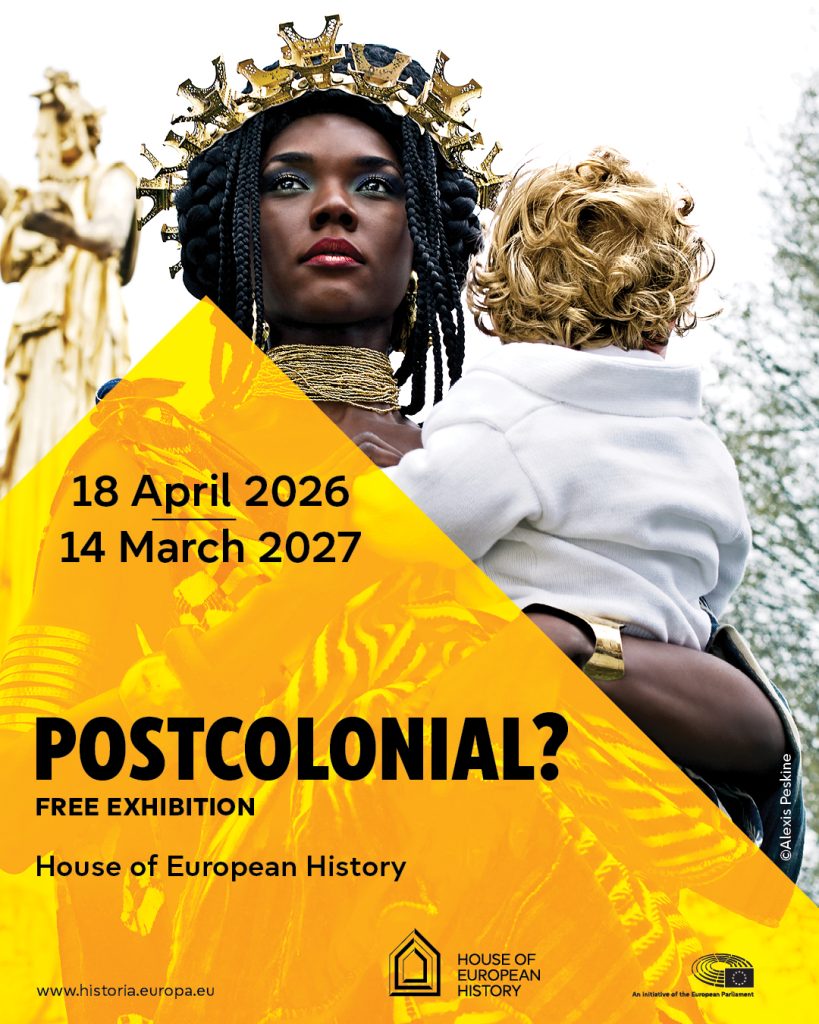
We are happy to have collaborated with the House of European History, a museum in Brussels! With this collaboration, CONCILIARE aims to translate our research into concrete change. In this case, providing the museum with research from our working group on textbooks, contributed for one hands-on activity where visitors will be able to create their own […]
Antiracist Festival at ULB
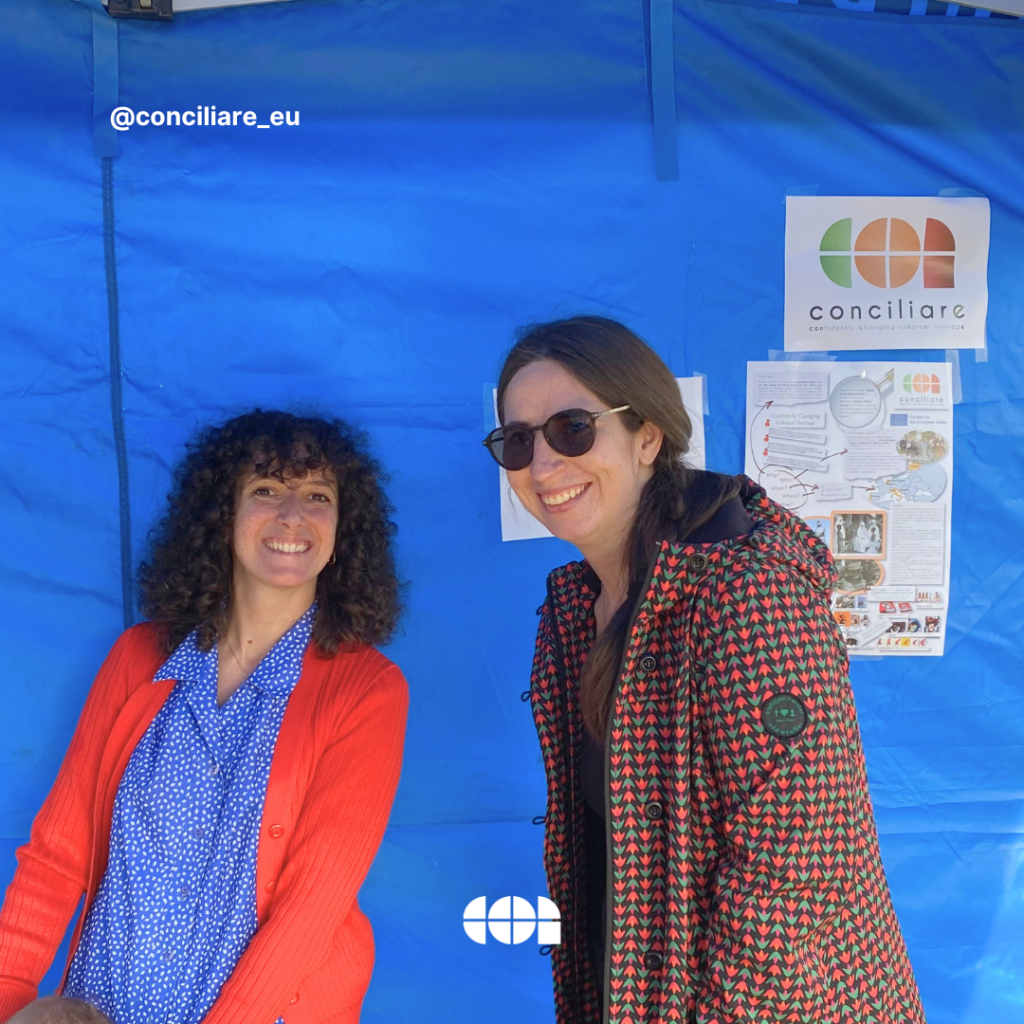
How does the academic community come together to fight racism? On March 20, the Université Libre de Bruxelles hosted the event that offered multiple debates, academic interventions and artistic presentations focused on the importance of combating all forms of racial discrimination. Our project members Yasmina Zian and Maria Babinska represented CONCILIARE in the stand dedicated […]
Sheila Khan: “Today, having only one History is a trap”
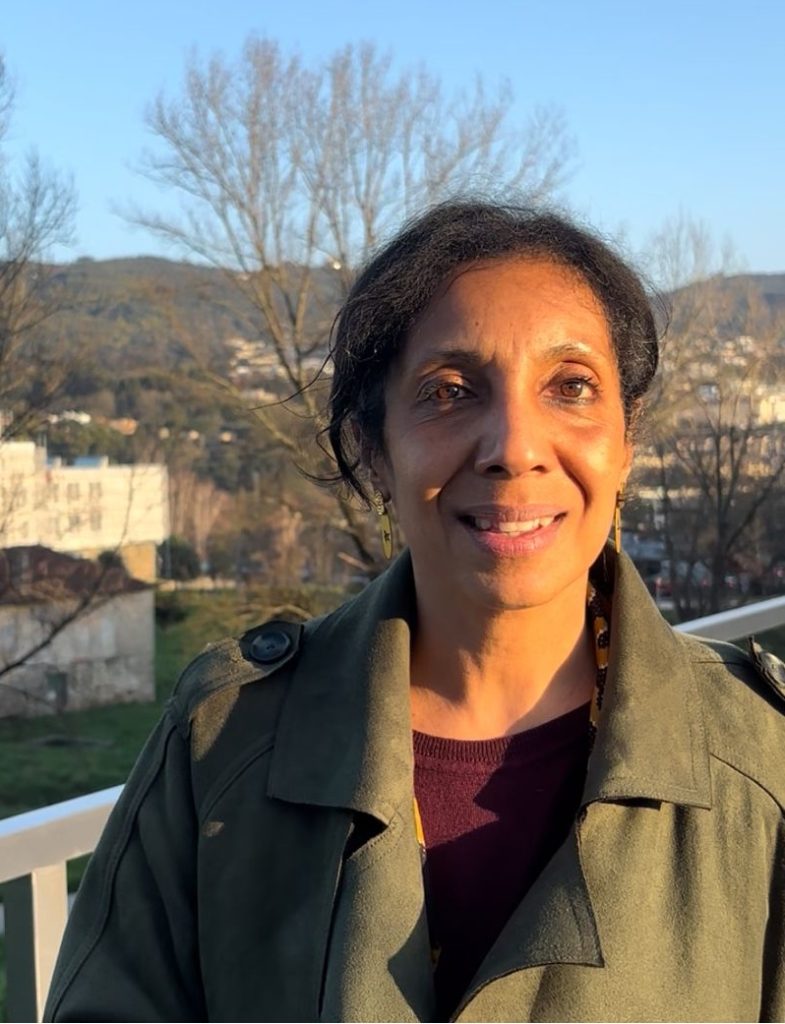
Each day, we come to understand more clearly that there is not just one History or a single narrative, but many histories. Questioning how these stories have been told is a crucial step in deconstructing collective memory. Sheila Khan, professor at Lusophone University and researcher with the CONCILIARE team at University of Minho, highlights the […]
CONCILIARE’s kick off meeting: two years ago
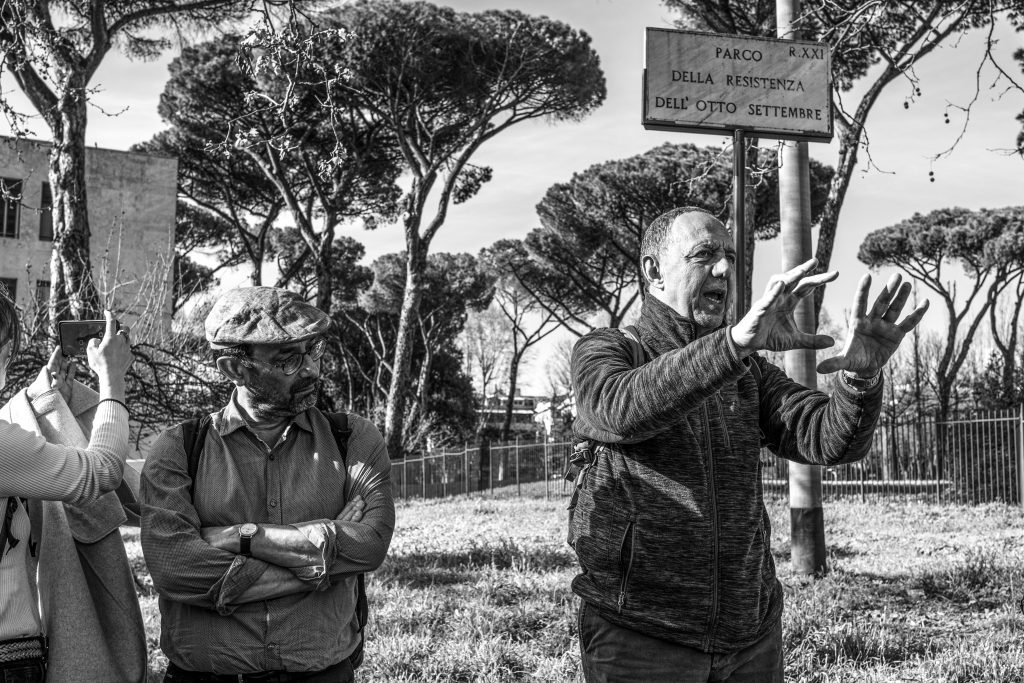
In March 2024, the CONCILIARE kick-off meeting took place in Rome, laying the foundations for the project. The event brought together at Sapienza University researchers from the institutions that make up the consortium, along with external experts and members of the European Research Executive Agency. The photos (© Giuseppe Follacchio) show moments from the decolonial […]
Call for Papers – Colonialism and Public Space: Memories in Dispute
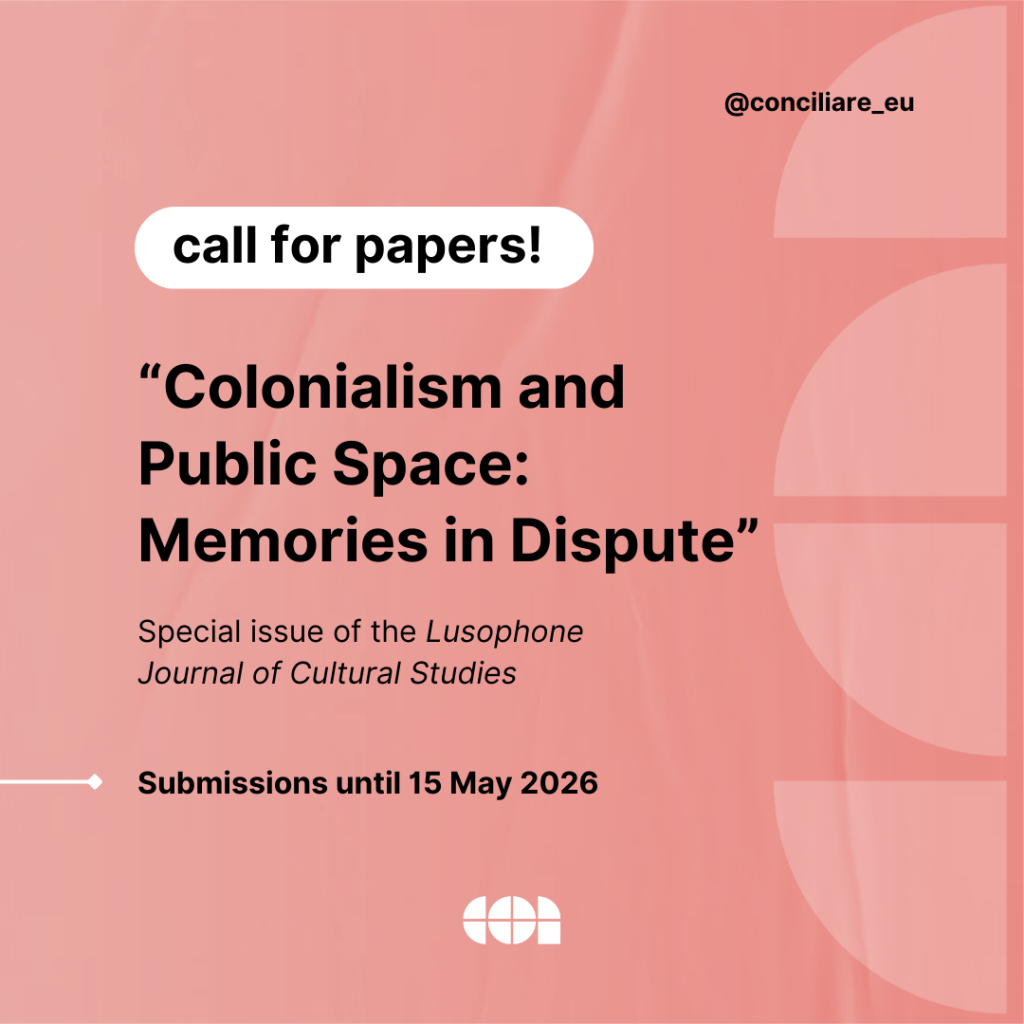
📢 Call for papers! Coordinated by CONCILIARE members Pedro Menezes, Alana Castro de Azevedo, and Sebastián Zuñiga, the next special issue of the Lusophone Journal of Cultural Studies will focus on colonialism, public space, and collective memory. The publication invites submissions that explore a wide range of topics related to the (de)colonisation of public space. […]